
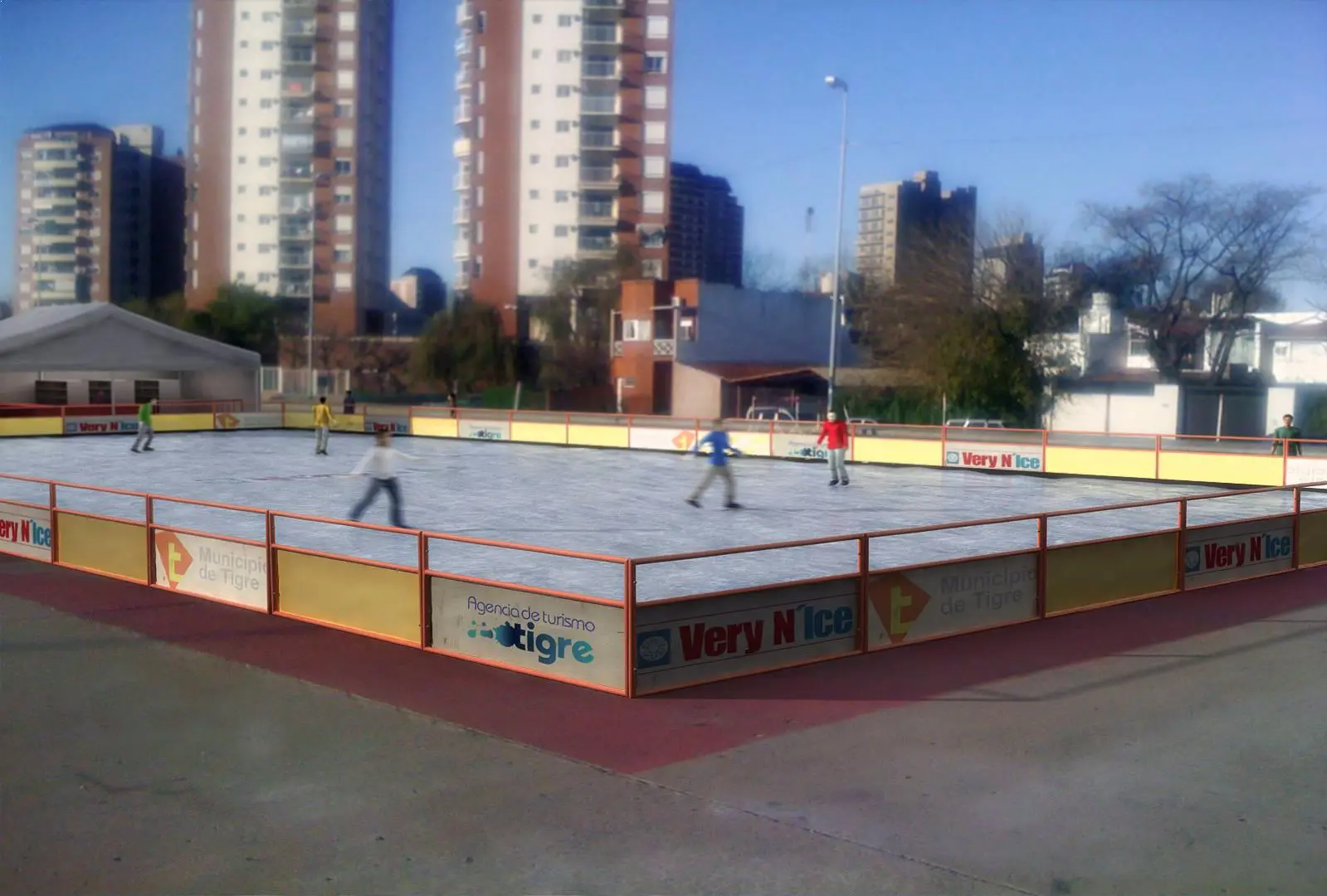
Guides to planning and choosing an ice rink
Guides written by the Very N'Ice technical team: engineers, specialised technicians and hydraulics specialists, with more than 100 installations in 10 countries. They answer the questions councils, shopping centres and event organisers ask us before signing a contract: what it costs, what is needed, how much power it uses and whether it pays.
What you will find in these guides
Each guide answers a specific question with data: dimensions, timescales, energy use and starting prices. When we quote third-party figures (public tenders, consumption studies or makers of other materials) we link to the source so you can check it.
If this is your first project, we suggest this order: first the site’s technical requirements, then energy consumption, and finally profitability with our calculator. Starting prices are on our prices page.
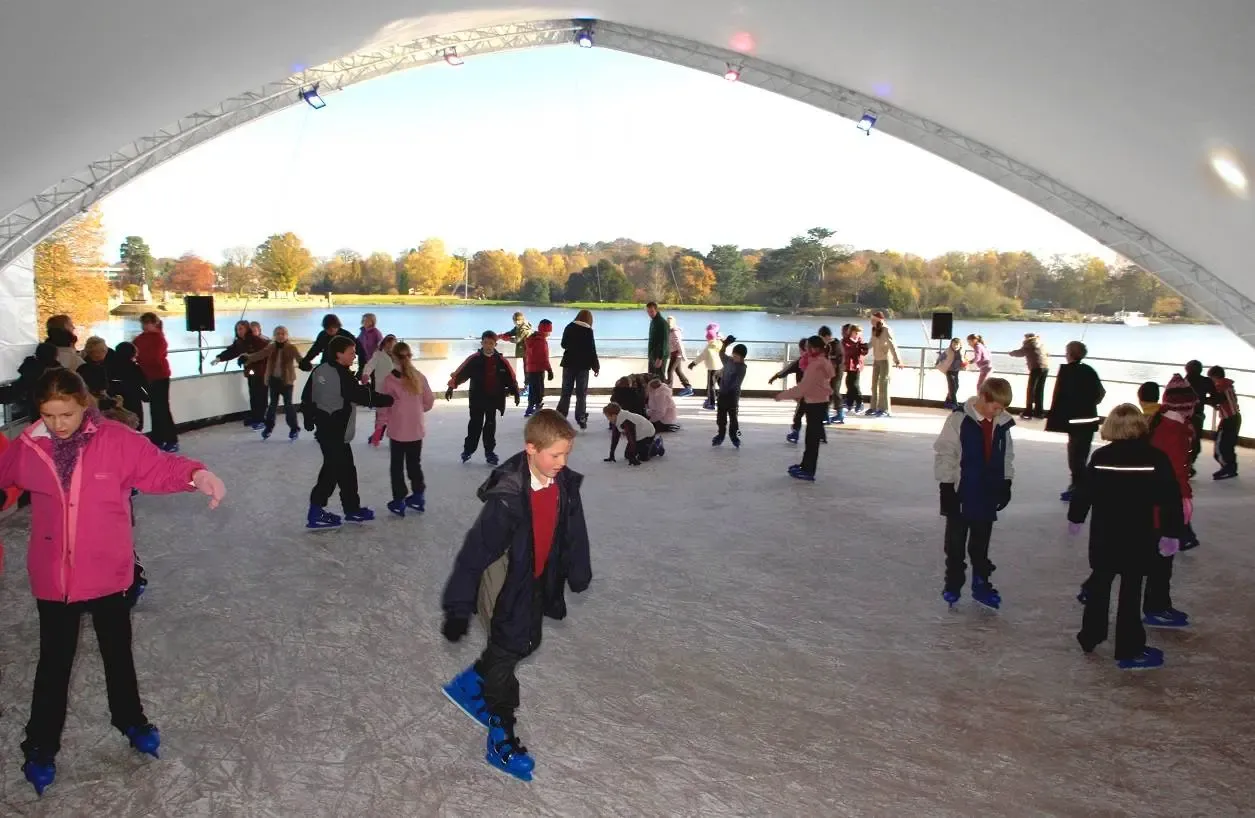 How to run a Christmas ice rink, step by stepA Christmas ice rink is prepared between July and November: in summer you decide location, size and budget; in September and October you tender or sign the contract; installation starts one or two weeks before opening. Municipal rinks usually open for 15 to 45 days, charge €5 to €10 per ticket and, according to published public tenders, cost between about €27,000 and €57,000 excluding VAT with marquee and staff included. These are last season's figures: they will be higher this Christmas.
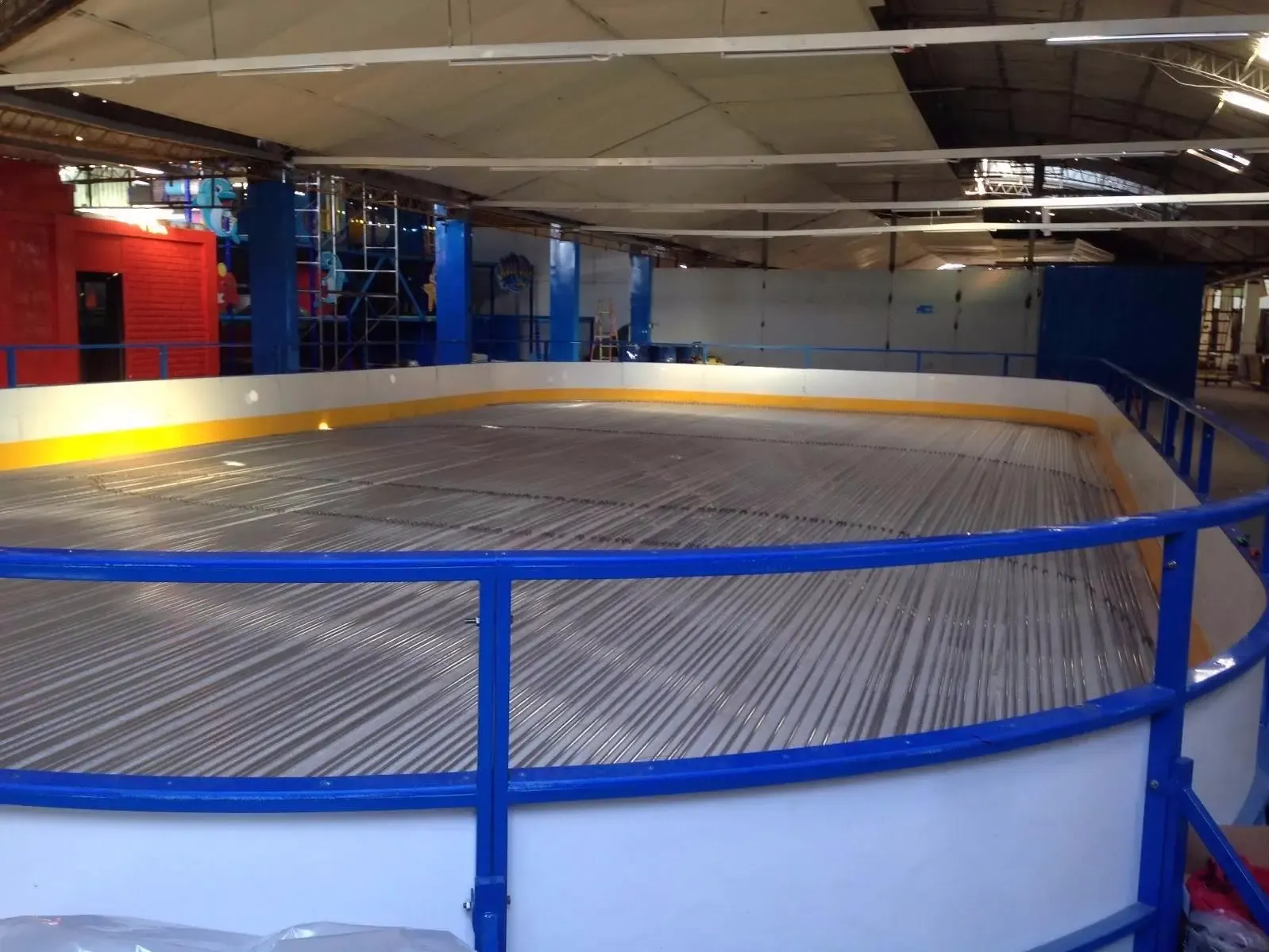 Technical requirements for installing an ice rinkTo install a real ice rink you need four things: completely level ground, a three-phase electrical supply with earth, a drinking water supply with a 3/4 inch hose connection and outdoor space for the plant (around 35 m²). A semi-permanent rink takes 5 to 7 days to install.
 Ice rink profitability: how to calculate itIce rink revenue is calculated as capacity × sessions per day × average occupancy × days open × ticket price. In our example, a 200 m² rink hired for 30 days, with a €7 ticket and 30% occupancy, takes around €74,800 and leaves around €28,800 after hire, electricity and staff. At 15% occupancy it loses money.
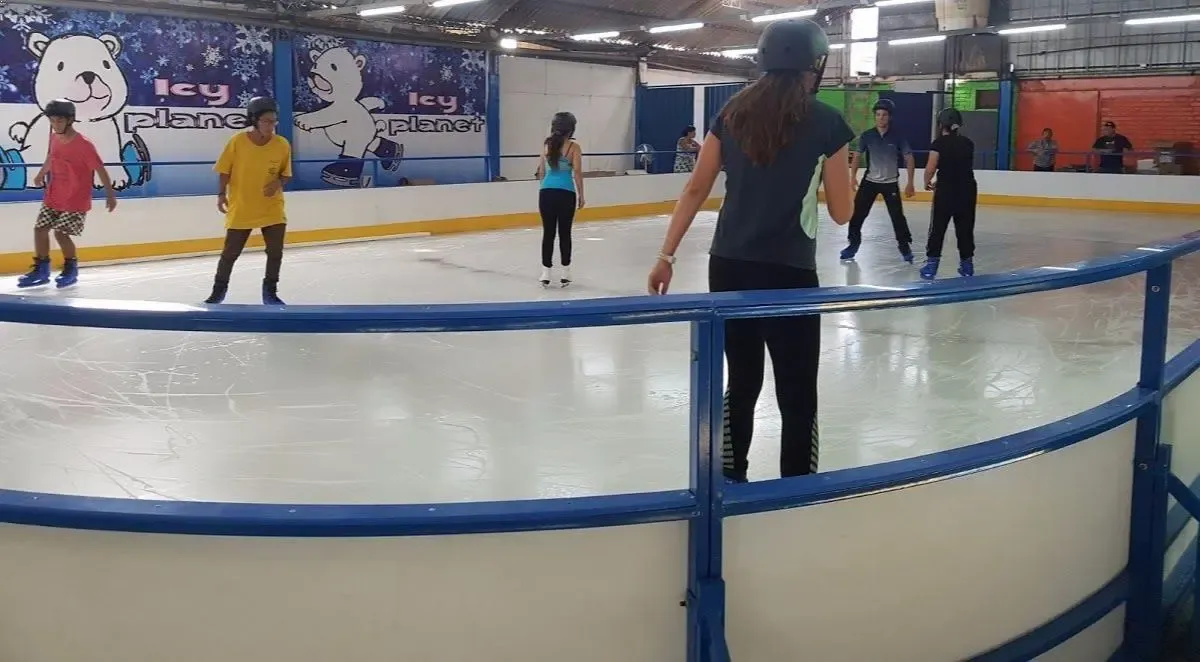 Ice rinks in summer and warm climatesYes, a real ice rink works in hot weather if it is shielded from sun and wind. Outdoors we recommend temperatures below 24 °C (ideally below 18 °C); under a marquee or indoors Very N'Ice has worked without problems at up to 42 °C. We have installed rinks and ice trails in warm places such as Arica (Chile) and Guadalajara (Mexico).
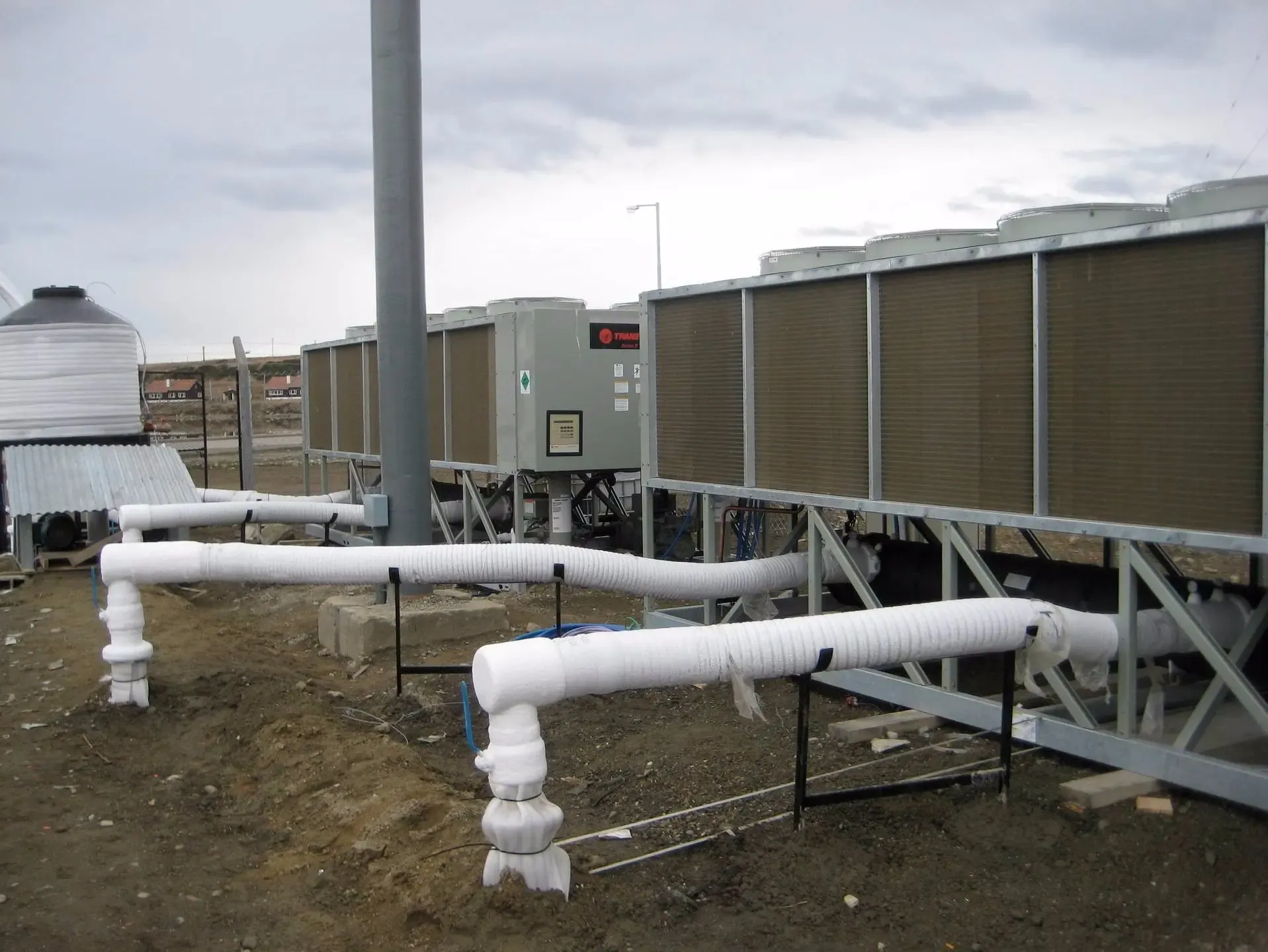 Ice rink energy consumptionAn ice rink uses in the order of 2 to 3 kWh per m² per day: a Swedish study of indoor arenas measured an average of 2.2 kWh (range 1.5 to 4), and our calculator uses 3 kWh as a cautious figure. On that basis, a 200 m² rink open for 6 weeks uses around 25,200 kWh, about €4,500 at €0.18/kWh.
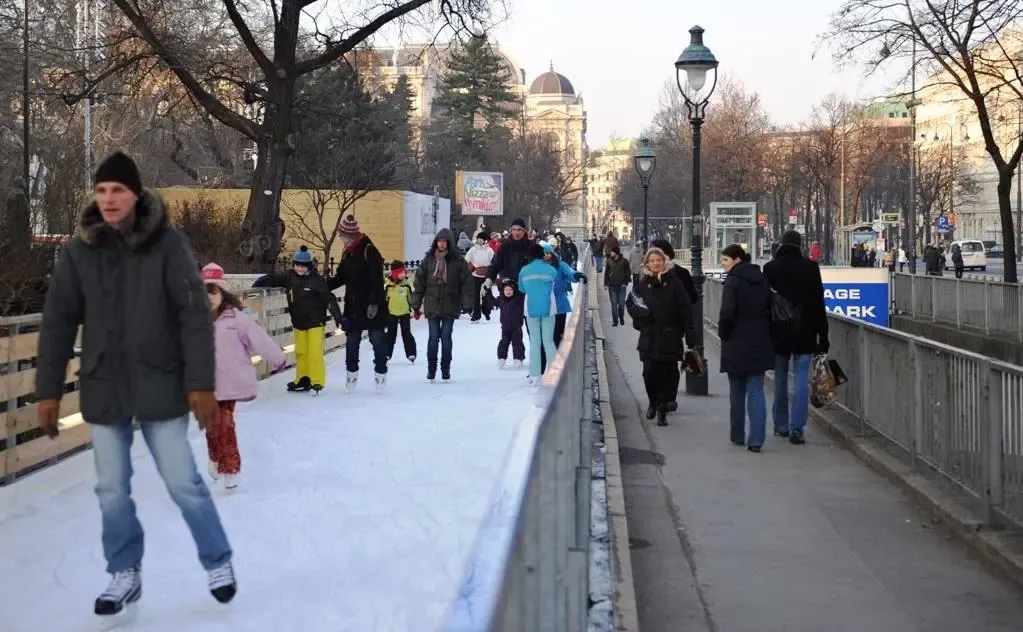 What is an ice skating trail and how does it differ from a rink?An ice skating trail is a long, narrow path of real ice that runs along a street, through a park or around a rink instead of forming a rectangle. Skaters move forward along a route rather than going round in circles. Very N'Ice built a 600-metre trail in Guadalajara (Mexico) in 2019; hire of a 100 m x 3 m trail starts at €38,000 per season.
You may also like
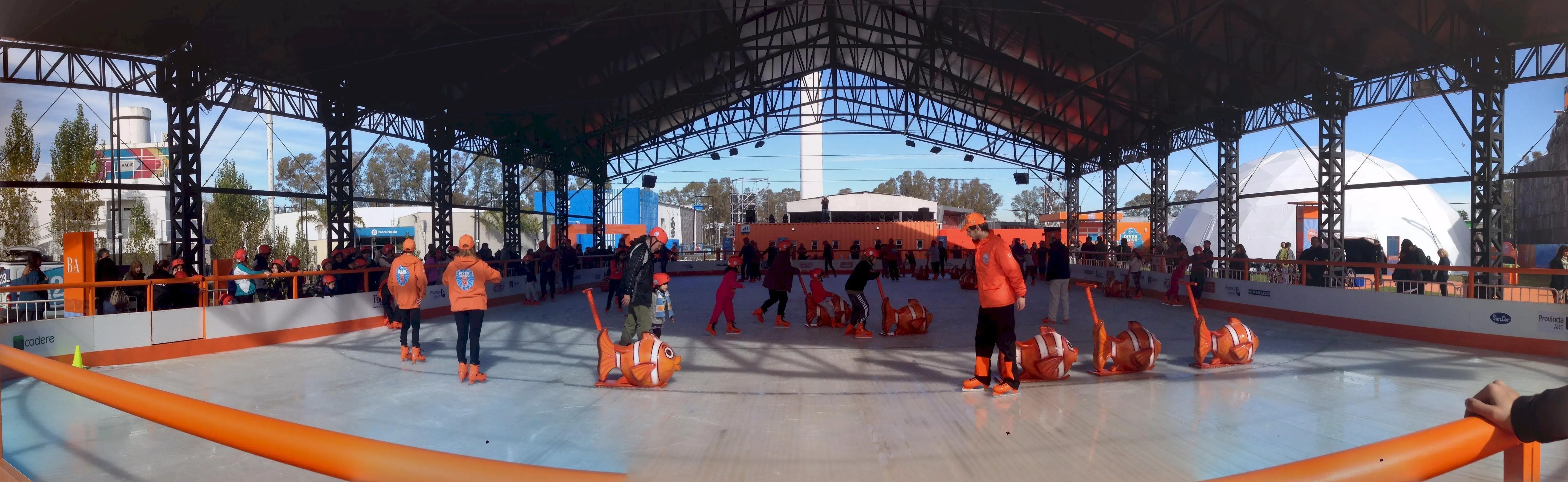 PricesHiring a real turnkey ice rink costs from €32,000 (200 m²) to €65,000 (800 m²) for 30 days, excluding VAT. Purchases are quoted to measure, depending on the size and whether the rink comes with or without machinery. Below we explain what the final price depends on.
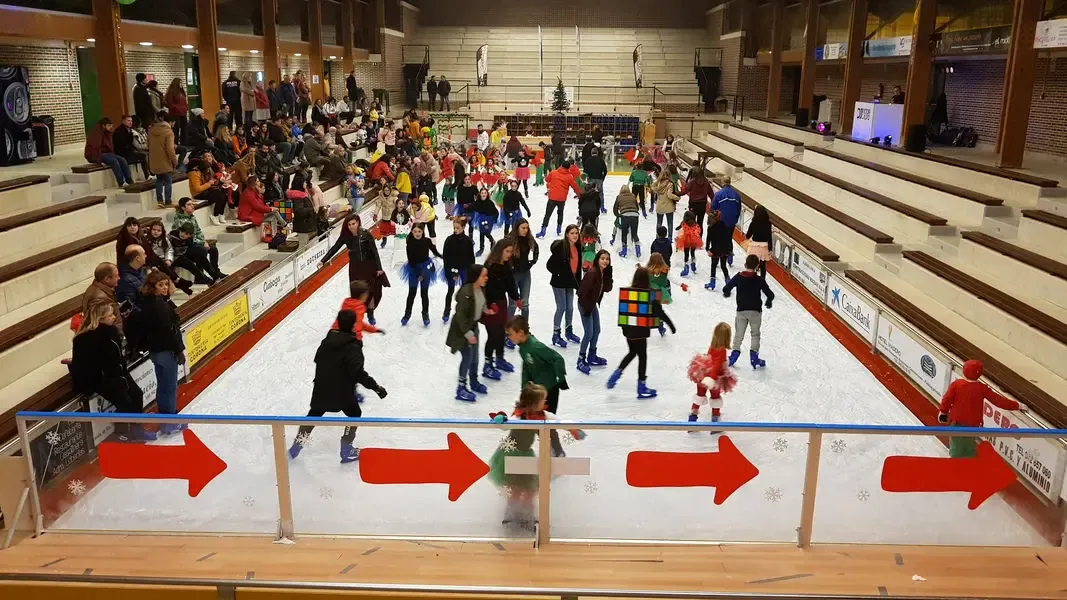 Profit calculatorEstimate in seconds how many skaters, how much revenue and how much profit a hired ice rink could generate, based on its size, days open, ticket price and occupancy. The calculation runs in your browser and does not ask for your email.
FAQ
Here we answer what councils, shopping centres and event organisers ask us most before hiring or buying an ice rink: price, timescales, energy use, temperature, warranty and maintenance.
Have a project in mind?
Tell us the location, dates and size. We reply with a concrete proposal within 24 working hours.