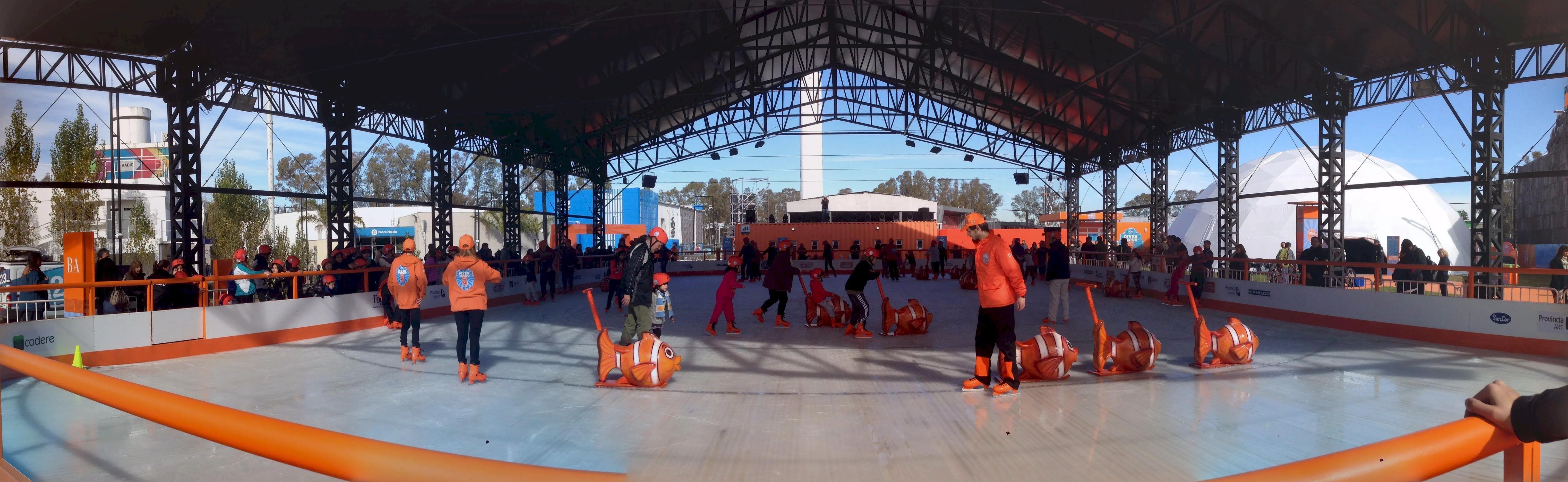
What a temporary ice rink is
It is a real ice rink, with a cooling floor and a chiller, designed for a specific period. It is installed, runs for the event or season and is dismantled with no building work. Most are installed at Christmas, but also for local festivities, fairs, brand events or winter seasons at leisure centres.
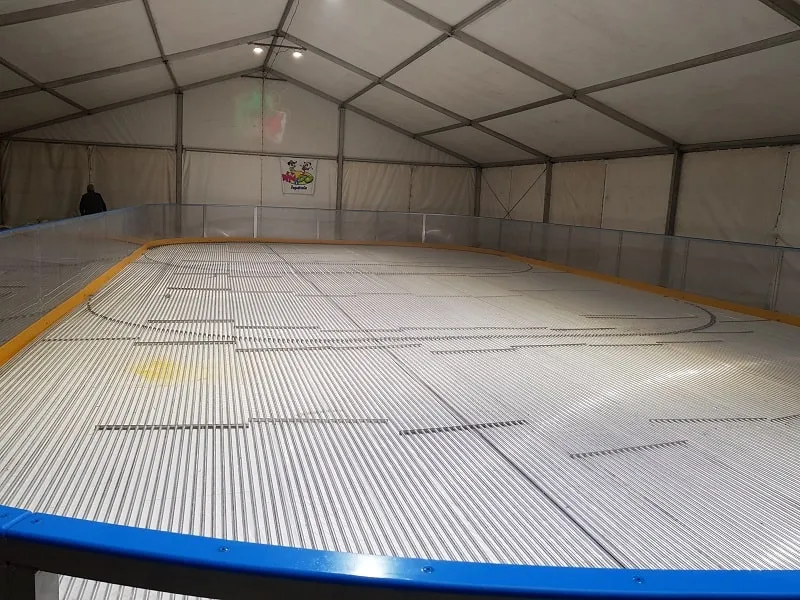
We use the same freezing system as in our permanent rinks: tempered aluminium pipework, manifolds inside the ice and an insulating board under the cooling floor. A temporary rink does not mean poorer ice.
Where it can be installed
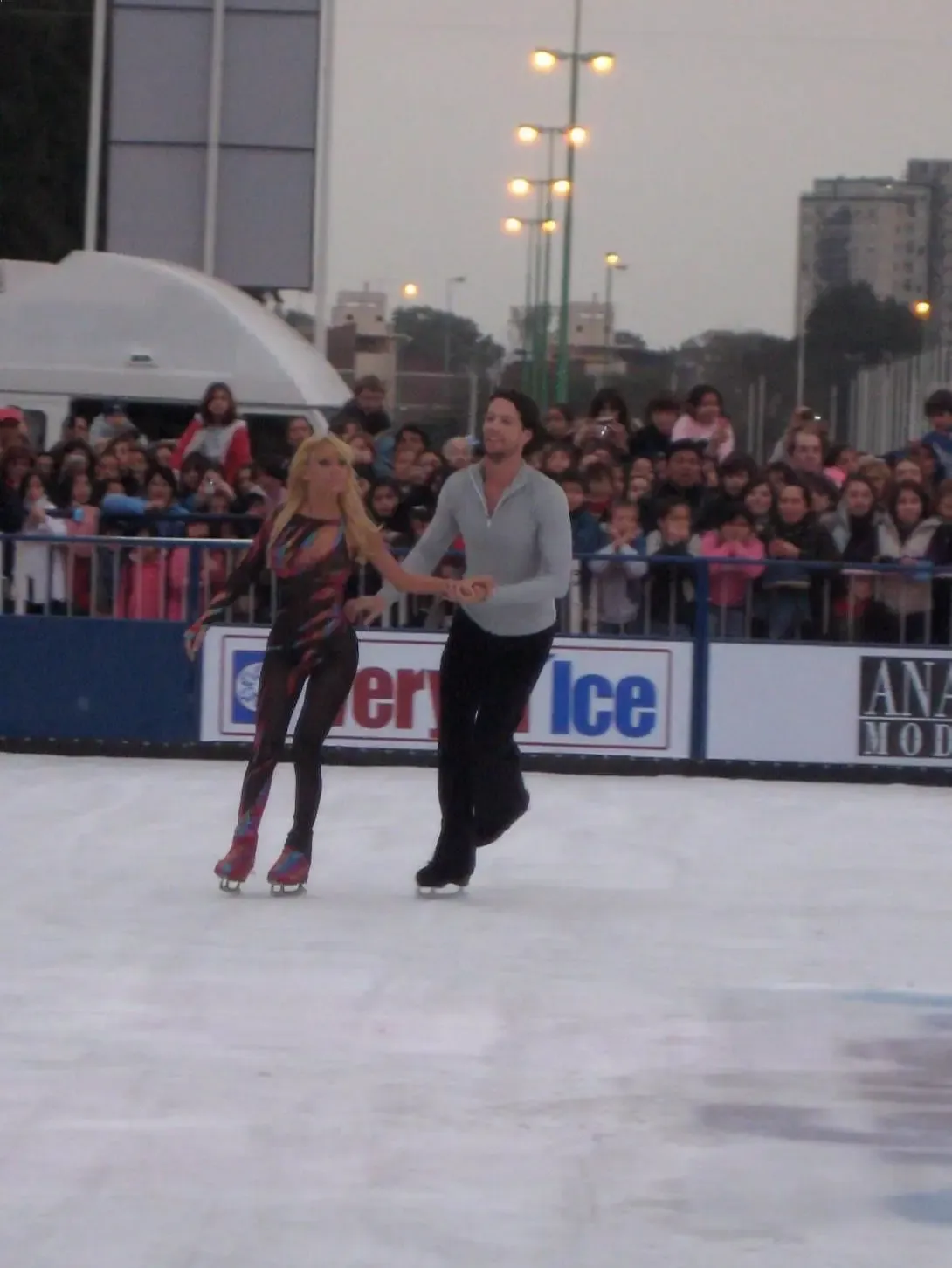
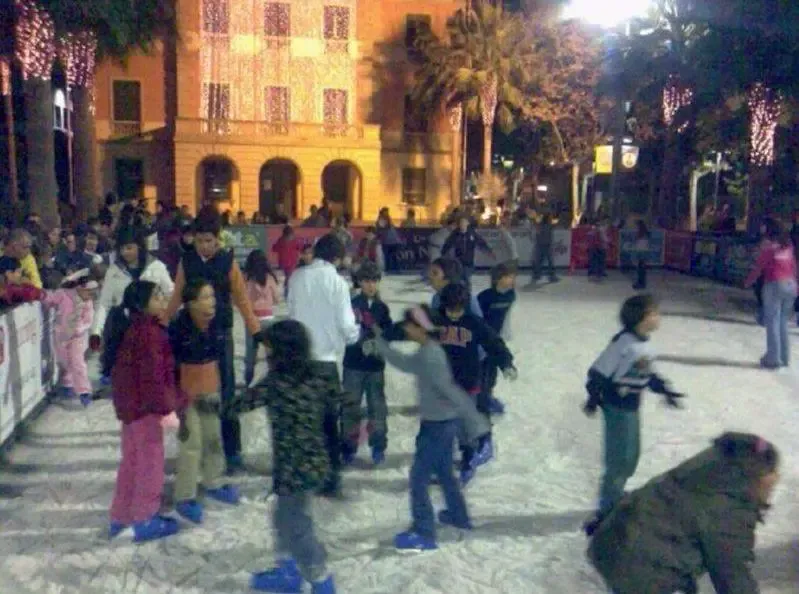
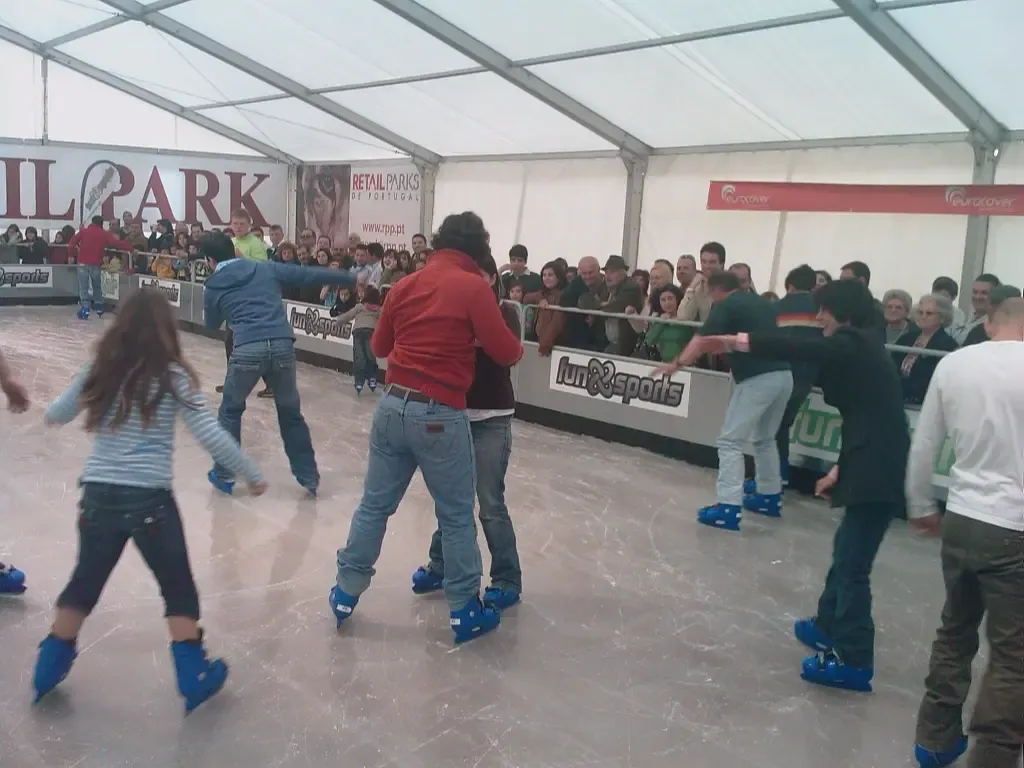
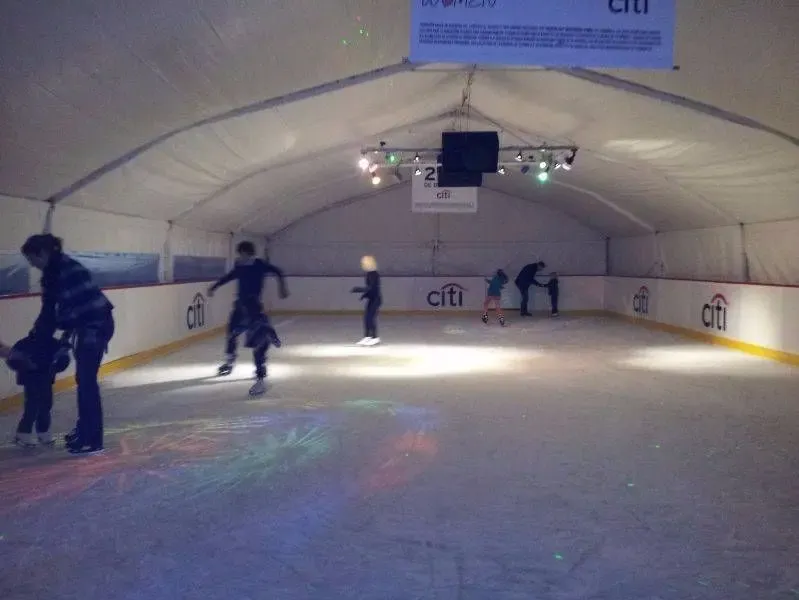
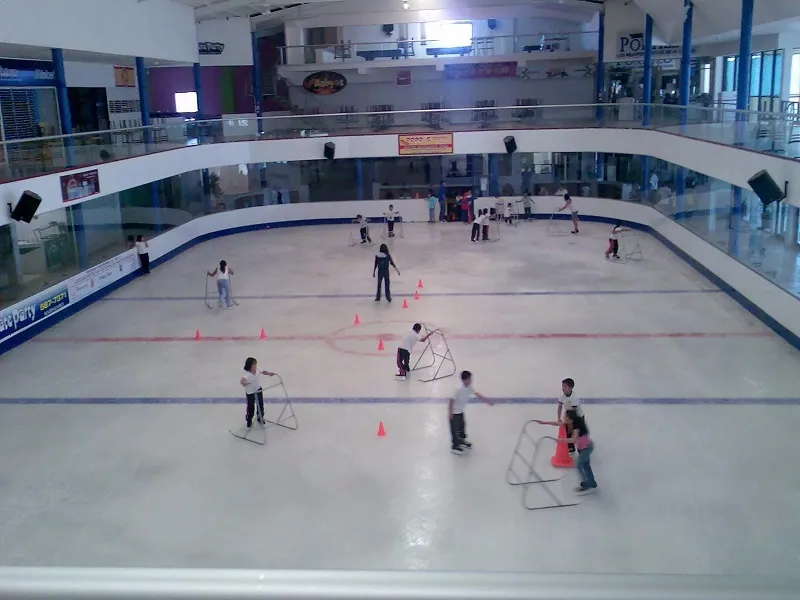
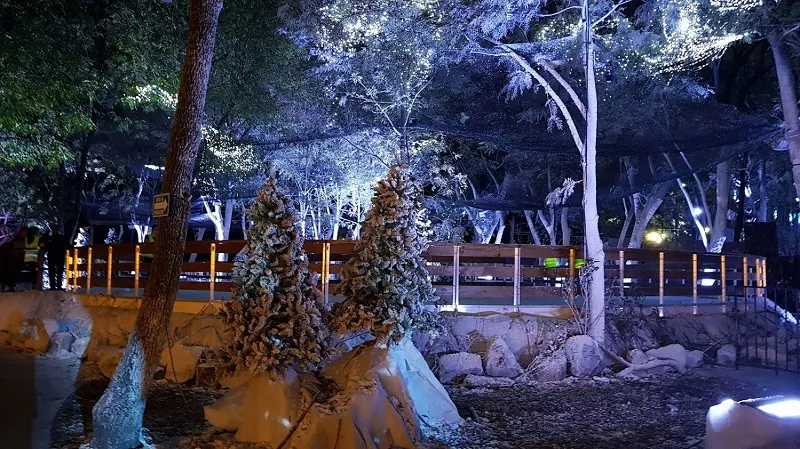
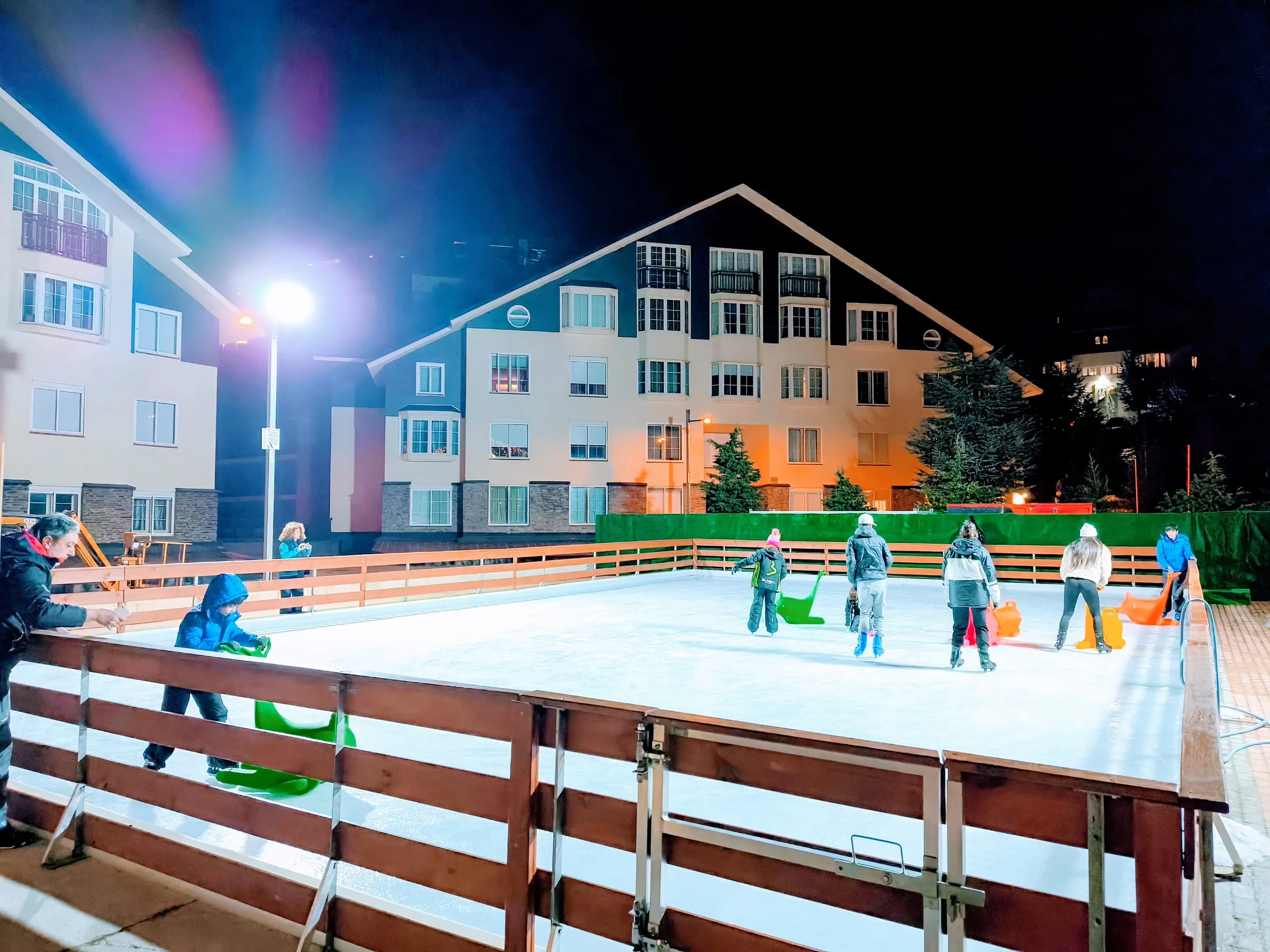
A temporary rink fits many places. We have installed rinks in main squares in front of the town hall, in bullrings, under marquees in parks, in sports halls and inside shopping centres.
It can also go on a tennis court with no special preparation, on a roof terrace or above a car park, because our system does not let water escape beyond the barriers or damp condense underneath. What we always need is a level base, a three-phase power supply with earth and a drinking water connection.
Outdoors or under a marquee
An outdoor rink looks spectacular and can be seen from a distance. On the other hand, it depends on the weather: when it rains there are no visitors, and in direct sun the machinery works harder and consumption rises. Outdoors we recommend shielding it from sun and wind and keeping the ambient temperature below 24 °C, ideally below 18 °C.
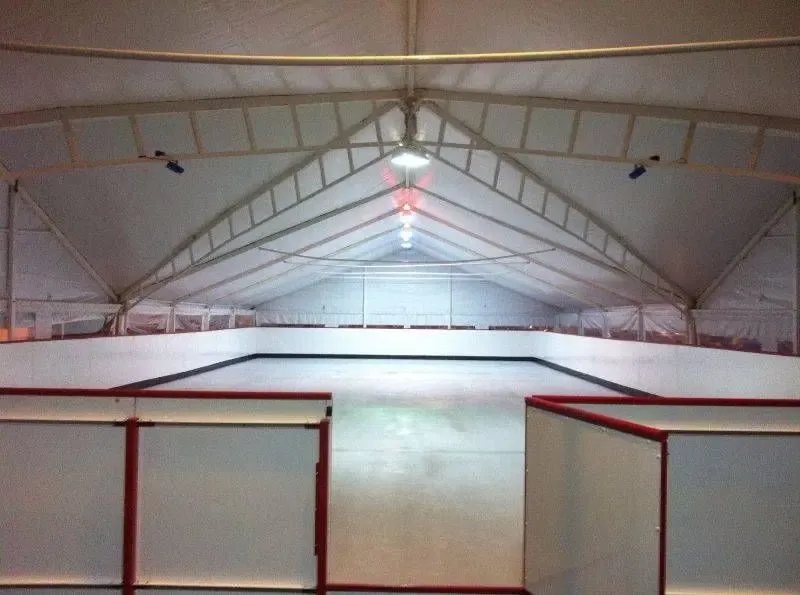
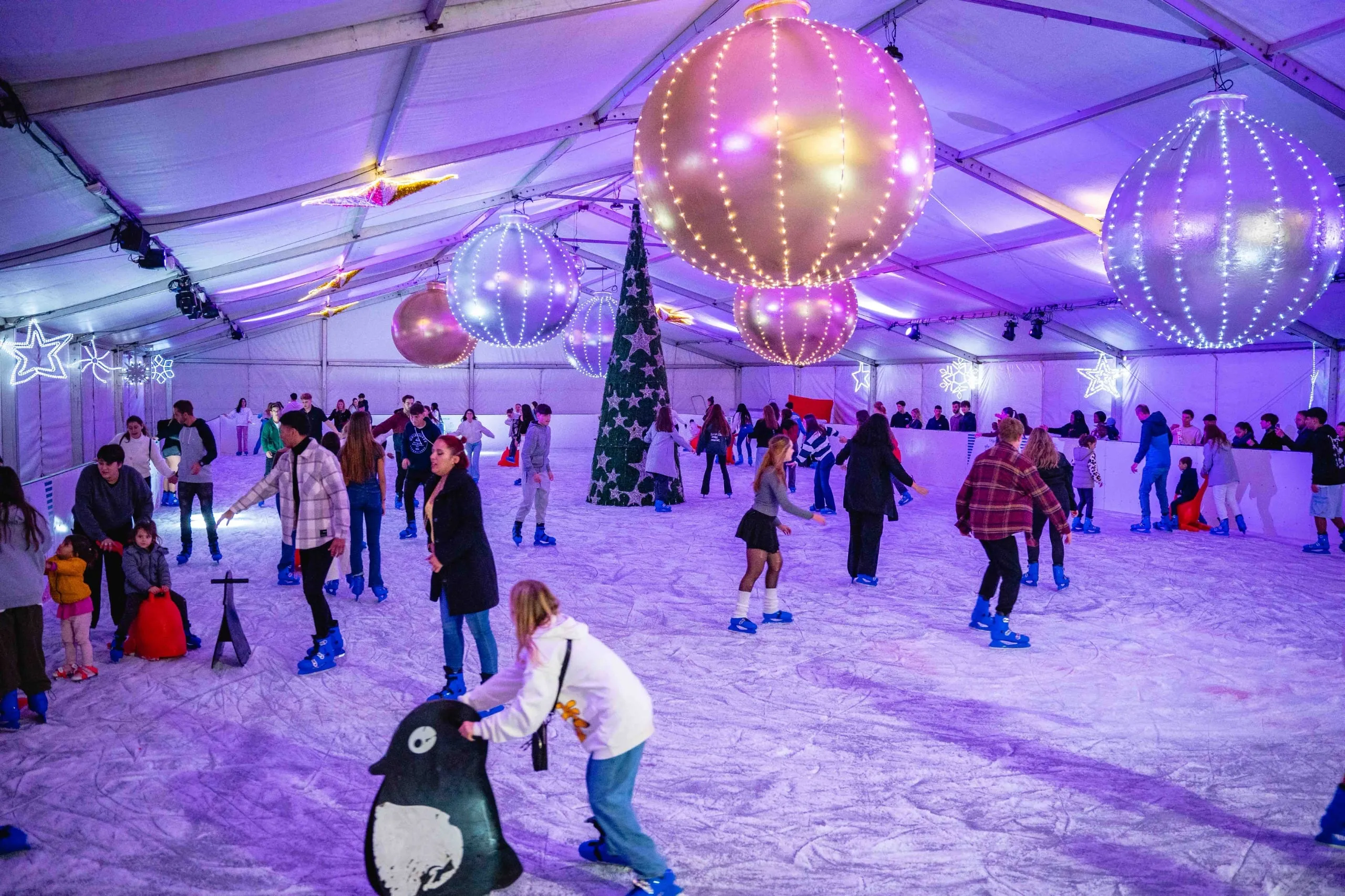
Under a marquee or indoors, temperature is no longer a problem; we have operated in ambient temperatures of up to 42 °C. A tip: choose a marquee that lets people outside see there are skaters inside. A closed, opaque marquee does not invite anyone in.
Which size to choose
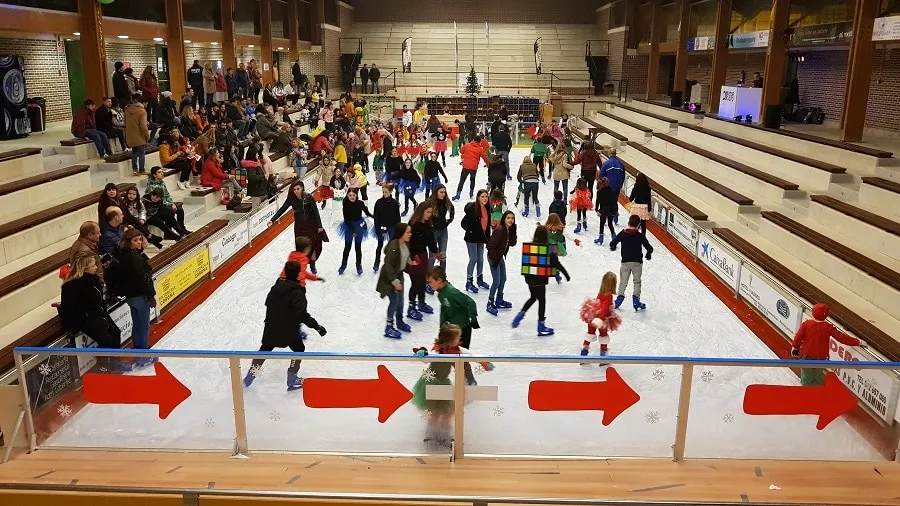
The most common temporary rinks range from 100 to 600 m². To decide, think about the expected audience more than the available space. Allow 3 m² per skater: on 450 m² about 150 people can skate at once. A rink sized for 200 skaters in a small town will look empty, and an empty rink does not draw a crowd.
A 2 to 1 ratio usually works well, such as 10 x 20 m or 15 x 30 m. Around the rink, leave a walkway of about 2 metres for spectators and an area for the ticket desk, changing area and skate lockers. You will find more guidance under ice rink sizes and ice rink planning.
Installation and dismantling
Installing a semi-permanent rink takes 5 to 7 days. Our team fits the cooling floor, barriers and machinery, builds the ice in layers and hands the rink over ready to skate on. At the end of the season we dismantle everything and leave the space clear.
Making good ice takes time. Installations done in 2 or 3 days tend to cause problems all season: water under the barriers, frozen manifolds outside the rink and a higher electricity bill than expected.
Power consumption
Consumption depends on the outside temperature and whether the rink is covered. As a measured reference, a 300 m² rink draws 80 to 100 amps on a 380-volt three-phase supply. Our system keeps the difference between chiller inlet and outlet below 1 °C, compared with 3 to 5 °C for conventional systems. We declare an energy saving of over 40%.
Making the most of the season
Skating sessions today are usually 30 minutes long. Many rinks charge different prices on weekdays and at weekends, offer birthday parties with exclusive use of the rink and sell gloves or hot drinks. A good opening event, announced in advance on social media, fills the rink from day one.
To add appeal, combine the rink with an ice skating trail or an ice slide or tubing slide.
Renting or buying a temporary rink
Most temporary rinks are rented: see ice rink rental, which includes new equipment, installation and support. If you plan to install it every year, consider our ice rinks for sale. For local authorities there is a dedicated page on ice rinks for councils.