Written by Very N'Ice technical team · Updated October 2026
Standard ice rink sizes and capacity
This table shows the sizes we are asked for most, from a small event rink to a professional rink. Capacity is approximate and calculated at 1 skater per 4 m², a comfortable standard for recreational skating with a mixed audience.
| Size | Surface | Approx. capacity (4 m² per skater) | Typical use |
|---|---|---|---|
| 10 x 10 m | 100 m² | 25 skaters | events, hotels, small seasonal rinks |
| 10 x 20 m | 200 m² | 50 skaters | towns, shopping centres, fairs |
| 15 x 20 m | 300 m² | 75 skaters | shopping centres and medium-sized cities |
| 15 x 30 m | 450 m² | 110 skaters | medium-sized cities; minimum for recreational hockey or ice shows |
| 20 x 30 m | 600 m² | 150 skaters | main squares at Christmas |
| 20 x 40 m | 800 m² | 200 skaters | major events, hockey and ice shows |
| 30 x 60 m (IIHF) | 1,800 m² | 450 skaters | professional hockey and skating |
All sizes are a guide. We build every rink to measure, so any intermediate size or different shape is possible, from a round rink to one with a free-form outline.
How we calculate capacity
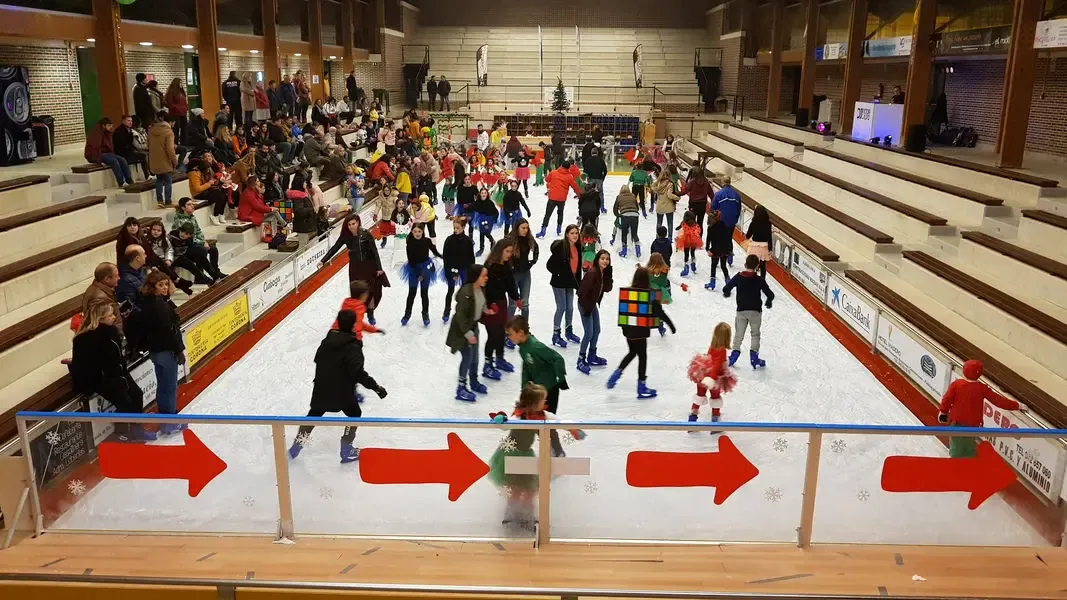
Capacity is the number of people who can skate at the same time. We use 4 m² per skater for planning because it leaves room for beginners, children with skating aids and attendants. At peak times you can squeeze it to about 3 m² per skater: on a 450 m² rink that would be around 150 people instead of 110.
The owner sets the limit according to their audience. If there are many young children using skating aids, it is better to stay below it. Our guide to ice rink planning also covers the space needed for spectators, the changing area and the machinery.
Bigger is not always better
A very large rink with few people on it looks empty, and that puts the public off. A slightly smaller rink, well decorated and with touches that make it special, where there are always people skating, often works better.
The size has to be in proportion to the location. A rink for 200 skaters in a quiet area or a town of 5,000 people is hard to fill. A good publicity campaign helps, but it is better not to overdo it.
Indoor or outdoor
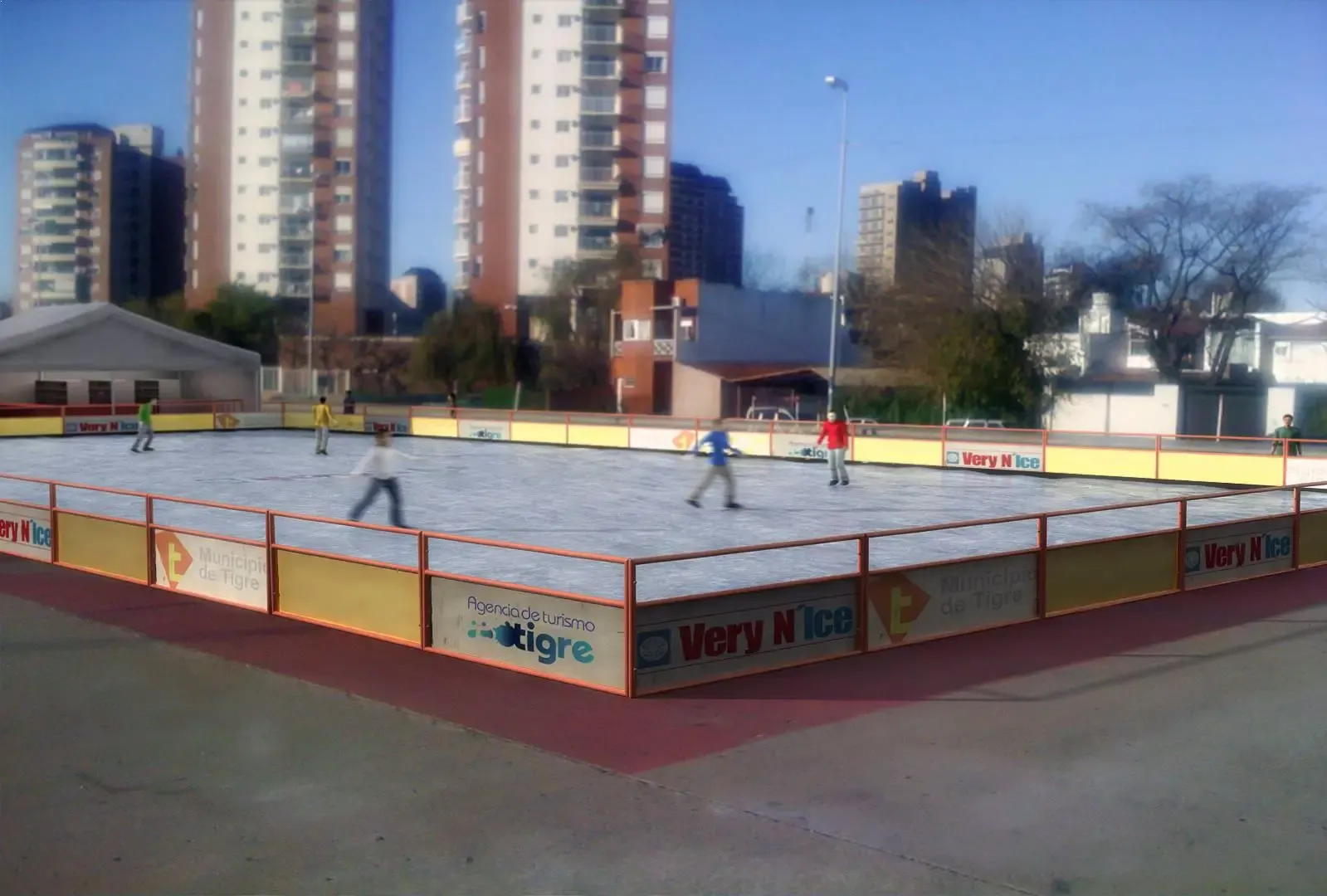
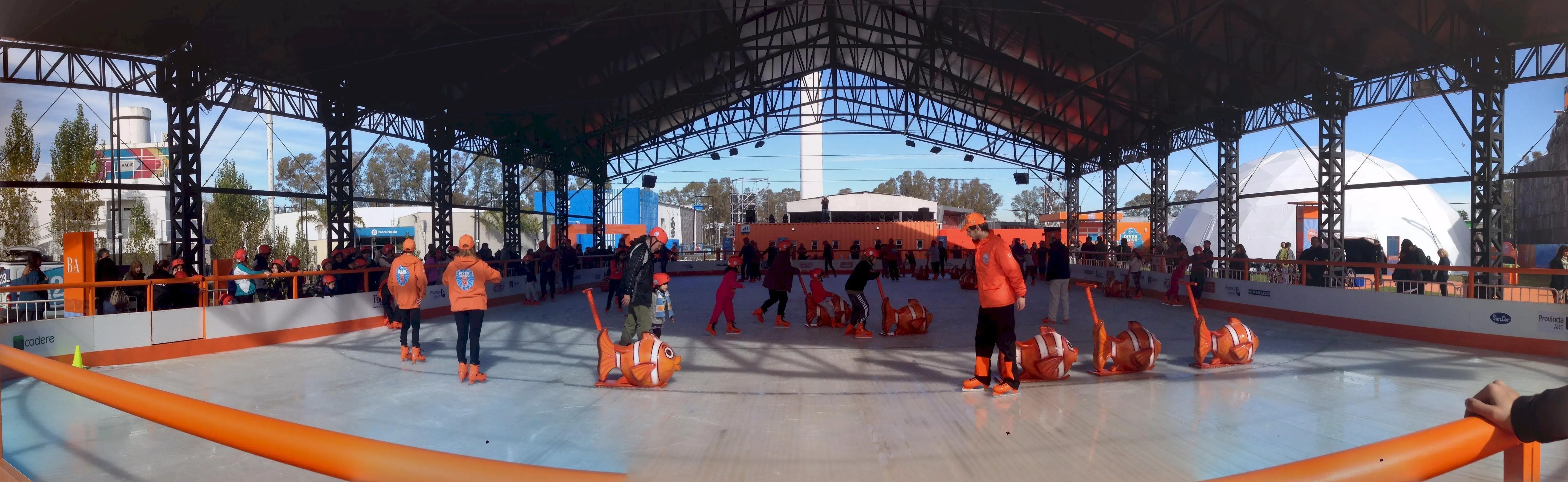
An outdoor rink in good weather looks great and attracts passers-by. But it depends on the weather: if it rains, nobody comes and revenue suffers. Under a suitable marquee the rink works whatever the weather.
If you choose a marquee, make sure it does not look like a field hospital. What matters is that people outside can see there is a rink inside with people skating and others watching. In hot weather a marquee is almost essential: we explain why in our guide to ice rinks in warm climates.
By location
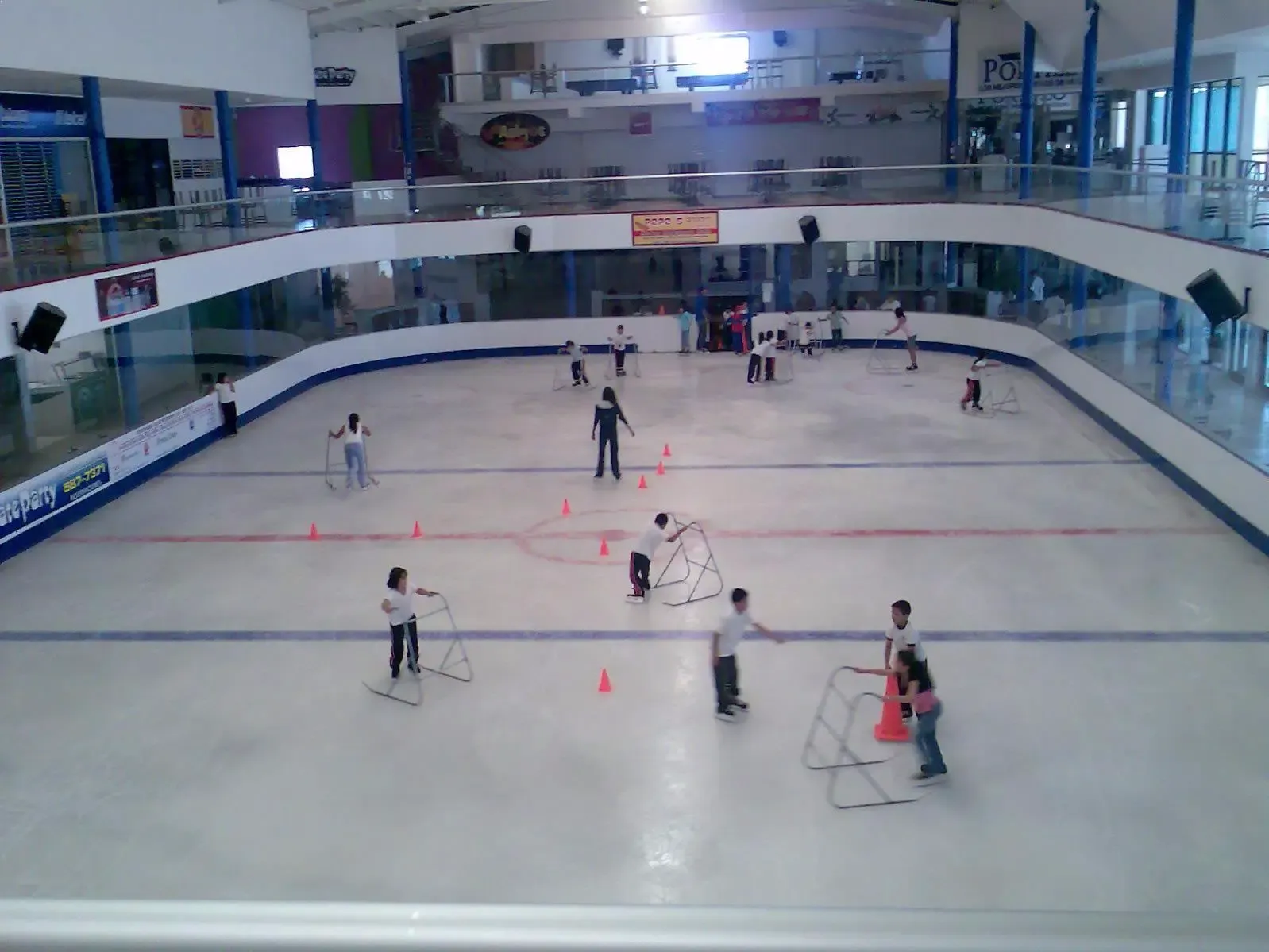
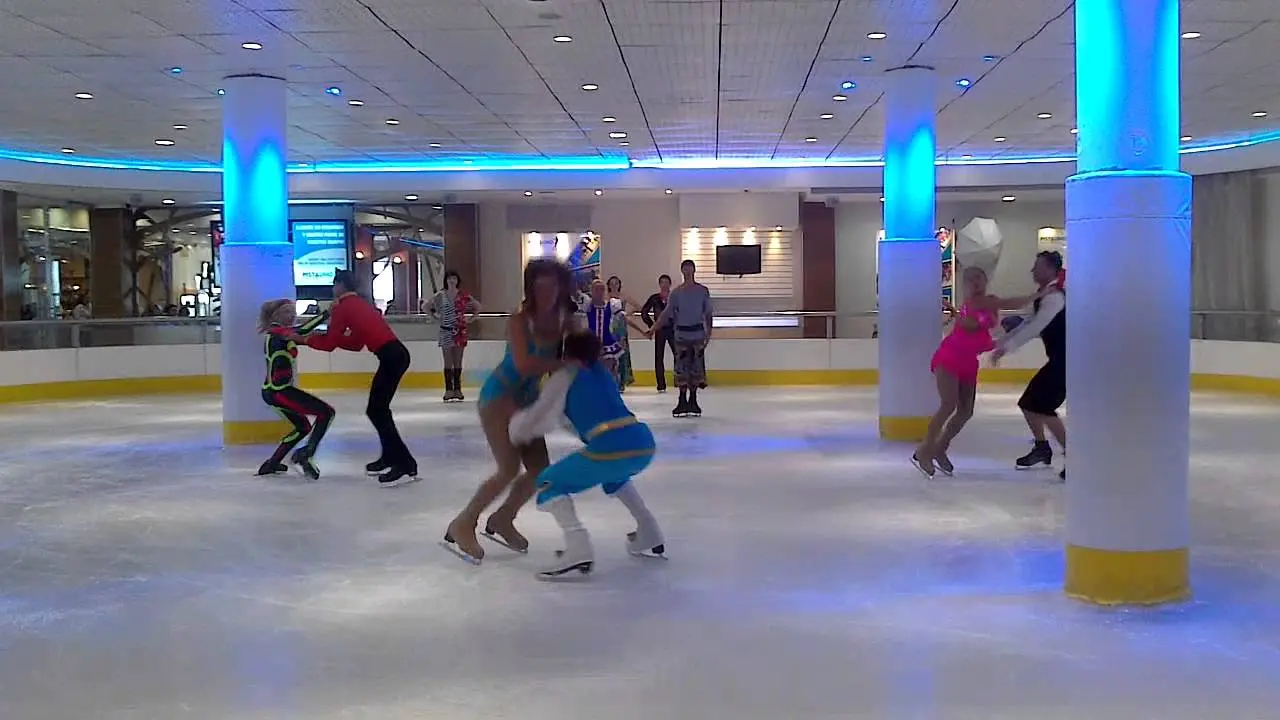
In a shopping centre, the rink is a crowd magnet: people are out for a stroll and come across the attraction. Here the available space and the cost per square metre decide. There is more detail on shopping centre ice rinks.
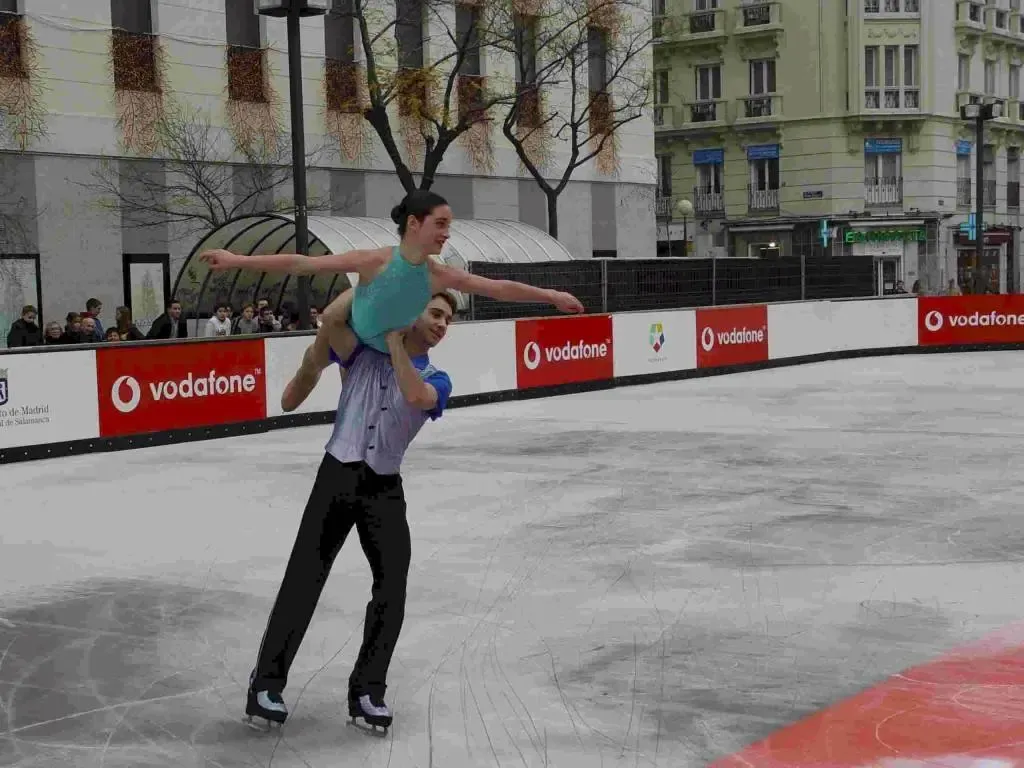
Councils usually install rinks for a season, mainly at Christmas, lasting 15 to 45 days depending on the population. In this case installation and dismantling have to be quick and economical, and the size is matched to the square and the number of residents.
For a commercial venue with its own rink, the balance between costs and revenue is critical. It is worth including everything that generates income (bar, glove sales, souvenirs) and planning publicity carefully so people know the rink is there.
By use: recreational, hockey or ice shows
For recreational skating, the size is chosen according to the location, the population and how much people skate locally. If roller skating is popular in the city, there is a larger potential audience.
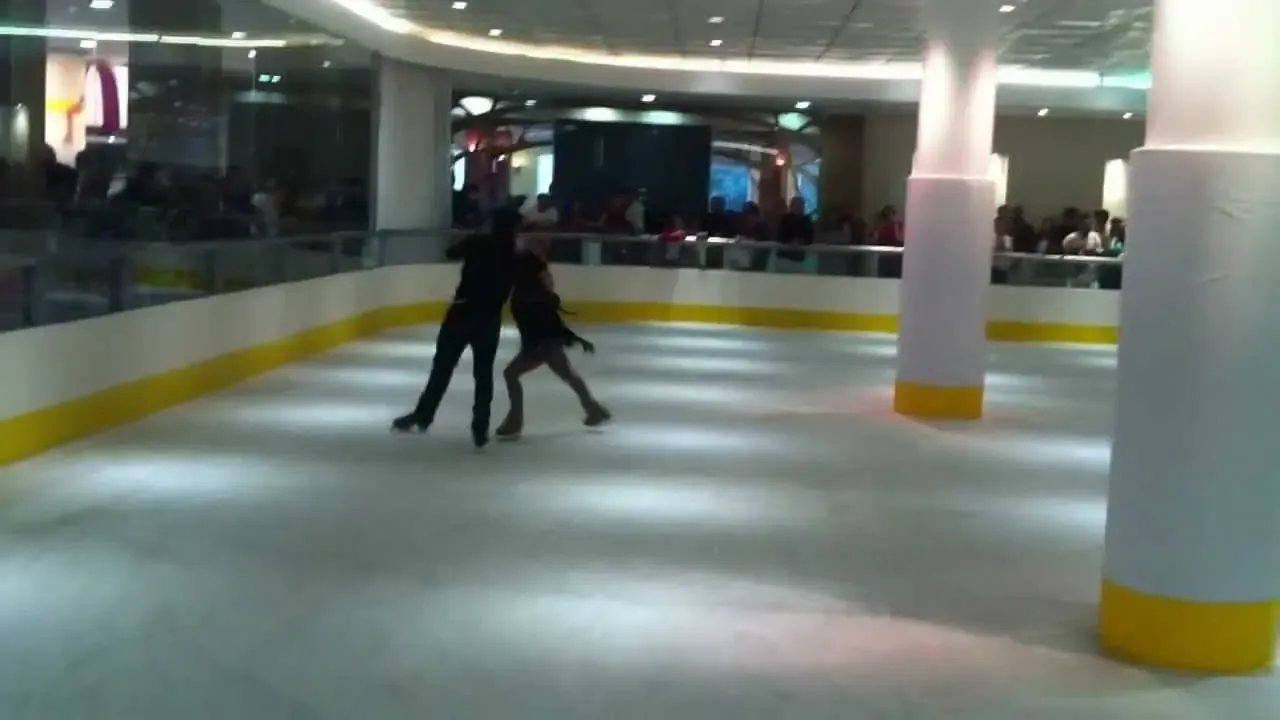
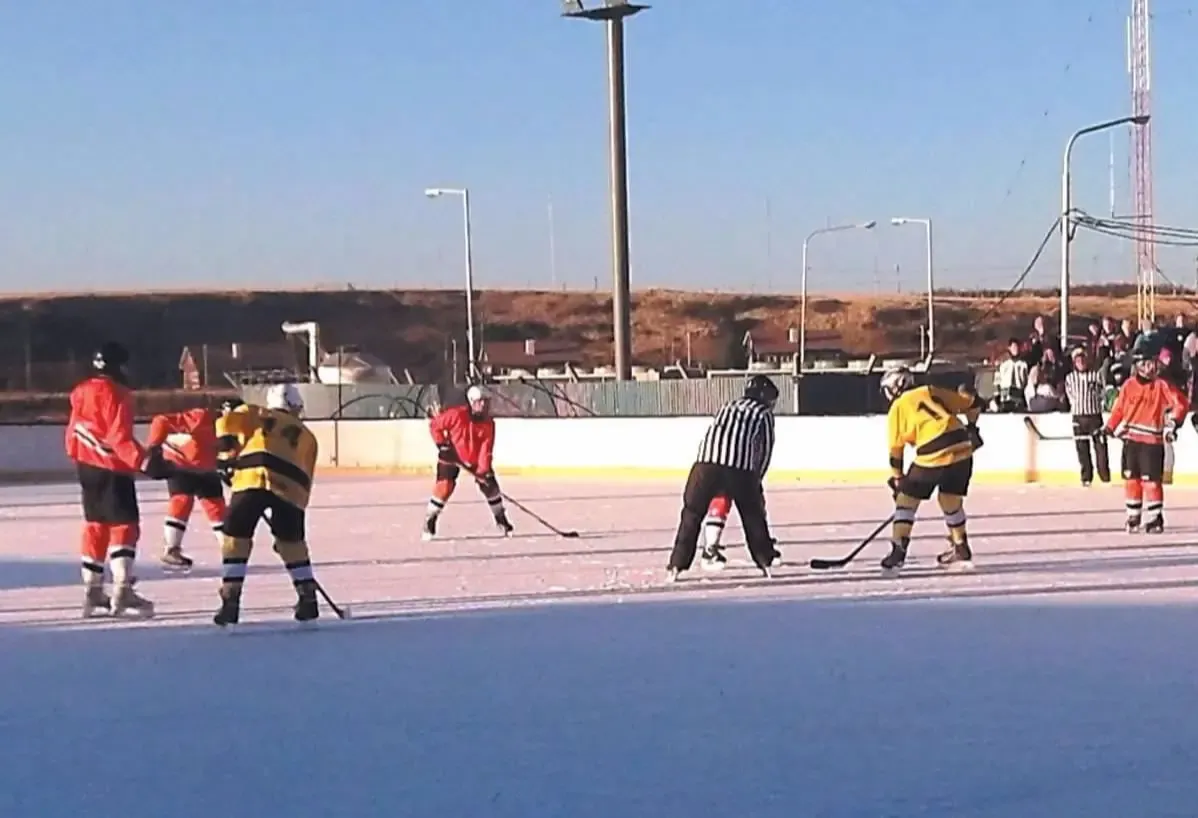
For hockey or ice shows, the rink needs considerably more space: no less than 450 m², ideally 800 or 1,000 m², and 1,800 m² for a professional IIHF-size rink. See the options on professional ice rinks.
Size and climate
The bigger an outdoor rink, the more sun and heat it takes. If the site is hot, cover the rink or set it up indoors: under cover we have worked at up to 42 °C. Our guide to ice rinks in warm climates explains how.
Hold an opening event
Whatever size you choose, a good opening fills the rink from day one. Announce it in advance on social media and, if you can, offer a free skating session so people lose their fear and come back.
To find out what each size costs, see the guide prices or request a quote with the size you have in mind.